Sweden

Sweden Travel Guide

The 10 Best National Parks in Scandinavia
Scandinavia national parks

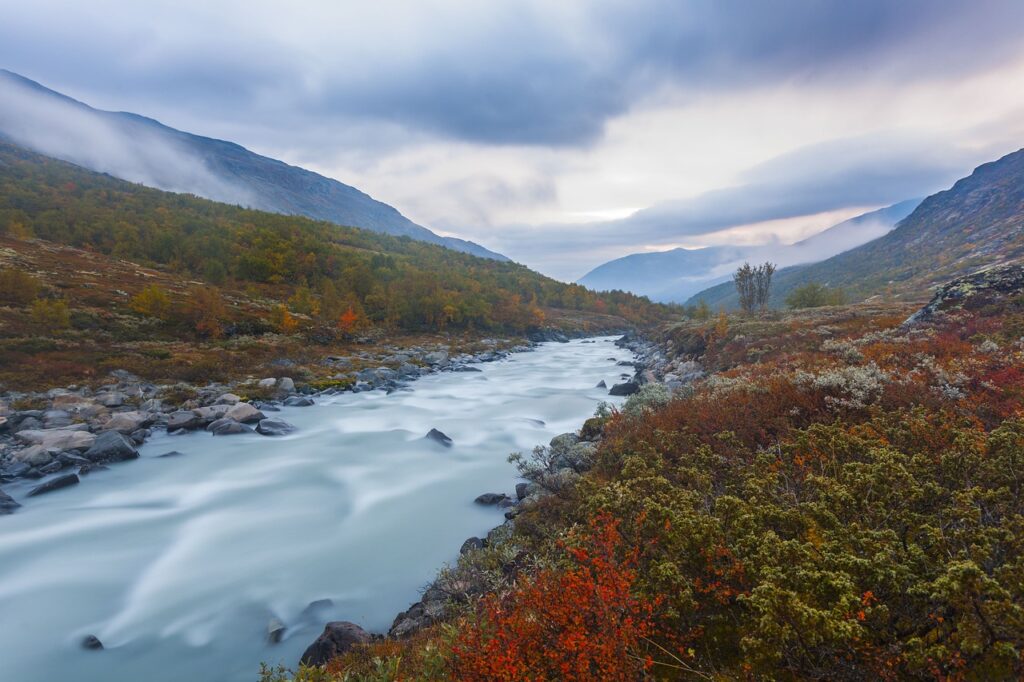
Scandinavia is home to some of the most breathtaking landscapes in the world, and the region’s national parks are the perfect way to explore them. From Norway’s towering mountains to Denmark’s serene forests, the national parks in Scandinavia offer visitors an incredible opportunity to connect with nature and experience the region’s unique beauty. In this article, we’ll take a closer look at the 10 best national parks in Scandinavia, focusing specifically on those located in Norway, Sweden, and Denmark. The best national parks in Norway Jotunheimen National Park Jotunheimen National Park is a stunning natural wonder located in the heart of Scandinavia. The park is home to Norway’s highest peaks and some of the most impressive glaciers in the region. Visitors can explore over 350 kilometers of marked hiking trails, take part in guided tours, and enjoy the park’s many natural wonders, including waterfalls, lakes, and unique wildlife. Jotunheimen is a paradise for hikers and mountaineers, offering a challenging but rewarding experience for those seeking an adventure in Scandinavia. The park is also known for its stunning panoramic views, which provide a glimpse of the breathtaking beauty of Norway and the wider Scandinavian region. With its rugged landscape and unique flora and fauna, Jotunheimen National Park is a must-visit destination for nature lovers and outdoor enthusiasts in Scandinavia. How to get there: Dovrefjell-Sunndalsfjella National Park Nestled in Scandinavia lies Dovrefjell-Sunndalsfjella National Park, a mountainous paradise renowned for its diverse wildlife, sprawling glaciers, and extensive hiking trails. Visitors can glimpse musk oxen and wild reindeer while exploring the trails or taking a guided tour. The panoramic views of the Norwegian landscape are simply breathtaking. As one of Scandinavia’s most awe-inspiring natural wonders, Dovrefjell-Sunndalsfjella National Park offers a unique opportunity to immerse oneself in the region’s untamed wilderness. Its pristine landscapes and diverse wildlife make it an essential destination for outdoor enthusiasts and nature lovers alike. The park is a testament to the rugged beauty of Scandinavia’s terrain. Whether you’re an experienced hiker or seeking a peaceful respite from the city, it’s the perfect place to unwind. How to get there: Rondane National Park Rondane National Park in Scandinavia is a majestic mountain range with 10 peaks towering over the breathtaking landscape. The rugged terrain, valleys, and glaciers provide a stunning visual treat. With over 200 kilometers of hiking trails, visitors can enjoy panoramic views of the surrounding wilderness. Home to diverse wildlife, including elk, reindeer, and foxes, the park offers trails of varying difficulty levels for hikers of all skills. It is open year-round, with skiing and snowshoeing available in winter. Historic mountain lodges offer comfortable resting places for hikers and traditional Scandinavian cuisine. Rondane National Park is a haven for nature lovers, displaying the untamed beauty of Scandinavia. It is a must-visit destination for adventure seekers and nature enthusiasts. How to get there: Hardangervidda National Park Hardangervidda National Park, situated in Scandinavia, is Norway’s largest national park. It features a mesmerizing landscape of a high plateau, steep valleys, and icy glaciers. The park is home to various flora and fauna, including arctic foxes, wild reindeer, and snowy owls. Hardangervidda National Park is renowned for its extensive network of hiking trails, ranging from short walks to multi-day treks. It’s also a popular spot for fishing and skiing in the winter months. Visitors can witness awe-inspiring views of the Northern Lights in the winter sky. The park also features several cabins for hikers to rest and recharge while admiring the stunning surroundings. Hardangervidda National Park is an outdoor lover’s paradise and an unforgettable destination for those seeking adventure in Scandinavia. How to get there: The best national parks in Sweden Sarek National Park Nestled in the heart of Scandinavia, Sarek National Park is a true wilderness paradise. With vast glaciers, glistening lakes, and rugged mountains, the park offers an unforgettable visual experience. It’s home to several endangered species, including arctic foxes and brown bears. Sarek National Park is a hiker’s dream, with over 200 kilometers of trails for all skill levels. The park is also popular among kayakers and rafters, with several rivers running through it. Visitors can stay in cabins, pitch tents, or camp under the stars. Sarek National Park is open year-round, and the summer months offer a mild climate with 24-hour daylight. Sarek National Park is an unspoiled natural paradise, offering the chance to disconnect from civilization and immerse oneself in nature. It’s an ideal destination for nature enthusiasts seeking a truly unique outdoor experience in Scandinavia. How to get there: Abisko National Park Abisko National Park, situated in the northernmost part of Scandinavia, is renowned for its breathtaking beauty. It features crystal-clear lakes, vast forests, and towering mountains. The park offers various activities, including hiking, fishing, and skiing, with over 85 kilometers of hiking trails. It’s also a popular spot for viewing the Northern Lights, with clear skies and minimal light pollution. Abisko National Park is home to several rare species, including the arctic fox and lynx. Visitors can stay in cabins or pitch tents, with camping available year-round. The park is easily accessible, with a train station located in the nearby village of Abisko. The village also offers several amenities, including restaurants, shops, and a hostel. Abisko National Park is an outdoor enthusiast’s paradise, offering a once-in-a-lifetime experience in Scandinavia. With stunning natural beauty and endless activities, it’s a must-visit destination for any traveler. How to get there: Tyresta National Park Located in the heart of Scandinavia, Tyresta National Park is a pristine natural wonder. The park boasts lush forests, tranquil lakes, and beautiful hiking trails. Visitors can choose from over 55 kilometers of trails for all skill levels, including guided tours. The park is also a popular spot for birdwatching and nature photography. Tyresta National Park is home to a diverse range of flora and fauna, including elk, deer, and rare bird species. Visitors can stay in cabins or pitch tents, with camping available year-round. The park is easily accessible from Stockholm, located only 20

The 10 Best National Parks in Scandinavia Read More »

What is the Price to Cross the Øresund Bridge? A Guide to Tolls and Fees

price to cross Øresund Bridge

If you plan to travel between Denmark and Sweden, you may wonder about the price to cross the Øresund Bridge. This impressive architectural masterpiece spans 16 kilometers, connecting Copenhagen, Denmark with Malmö, Sweden. It is an essential transportation link for commuters, tourists, and cargo traffic, and the toll fee system for crossing the bridge depends on several factors. Øresund Bridge toll fees The Øresund Bridge toll fees are categorized according to vehicle types, namely cars, buses, and trucks. The toll fee for cars varies depending on the payment method used and the time of day you cross. Electronic payment methods, such as BroBizz or AutoPASS, offer discounts to users. Peak hours for crossing the bridge are from 6 am to 9 am and from 3 pm to 6 pm on weekdays. During these hours, the toll fee is higher than the off-peak toll fee. Currently, the toll fee for cars during peak hours is DKK 440 (approximately USD 65), while the off-peak toll fee is DKK 349 (approximately USD 52). For buses and trucks, toll fees depend on the number of axles and the vehicle’s weight. The toll fee for these vehicles is higher than that of cars, and the discount for electronic payment methods is also more significant. Payment options for crossing Øresund Bridge Payment options for crossing Øresund Bridge include BroBizz or AutoPASS electronic payment methods, credit cards, and cash. Using electronic payment methods is the easiest and cheapest way to cross the bridge. If you’re a frequent traveler, purchasing a BroPas subscription service will save you money. BroPas offers discounts on toll fees, and you can choose a package that best suits your needs, including monthly passes or corporate passes for frequent business users. Besides the toll fees, other costs come with crossing Øresund Bridge, such as rental car fees. Rental car companies often charge additional fees for crossing the bridge, so be sure to check before crossing. Is paying the fee to cross the Øresund Bridge worth it? Apart from the toll fee, crossing Øresund Bridge also offers various benefits that make it worth the price. Firstly, the bridge provides a breathtaking view of the Øresund Strait and the surrounding landscapes. The view is particularly impressive during sunrise and sunset, which makes crossing the bridge an unforgettable experience. Additionally, crossing the bridge saves time and hassle compared to other transportation methods. It eliminates the need for ferry rides or long drives around the Øresund Strait, which can be time-consuming and costly. Crossing Øresund Bridge also offers several environmental benefits. The bridge reduces carbon emissions by reducing the need for fossil fuel-powered ferries, which emit harmful pollutants into the air and water. The bridge also promotes sustainable transportation by encouraging the use of public transportation, such as buses and trains, that use the bridge. Another advantage of crossing the Øresund Bridge is the convenience it provides for commuters and businesses. The bridge connects two vibrant cities, Copenhagen and Malmö, which are centers of commerce, tourism, and culture. This connection promotes economic growth and makes it easier for businesses to access new markets and customers. Commuters also benefit from the bridge’s convenience, as it allows for faster and more efficient travel between work and home. What are the alternatives to crossing the Øresund Bridge? If you’re looking for alternatives to crossing the Øresund Bridge, there are several options available depending on your needs and preferences. In conclusion, several alternatives to crossing Øresund Bridge are available, depending on your preferences and needs. Options include taking a ferry, using the train or bus services, or driving around the Øresund Strait. Each option offers a unique experience and may be more suitable for different types of travelers. Conclusion In conclusion, the Øresund Bridge tolls may seem like an added expense, but the benefits it offers make it worth the price. The bridge provides a fast and convenient way to cross the Øresund Strait. It is saving travelers time and hassle compared to other transportation methods. The bridge’s electronic payment options, such as BroBizz or AutoPASS, offer the best rates and can save travelers even more money. Beyond the toll fees, the bridge also offers breathtaking views of the Øresund Strait and the surrounding landscapes, making the journey an unforgettable experience. Furthermore, crossing the bridge reduces carbon emissions and promotes sustainable transportation by eliminating the need for fossil fuel-powered ferries and encouraging the use of public transportation. For those who prefer alternatives to crossing the bridge, options such as taking a ferry, using train or bus services, or driving around the Øresund Strait are available. Each alternative offers unique benefits and can cater to different preferences and needs. Overall, the Øresund Bridge remains a popular and essential link between Denmark and Sweden. It is connecting two vibrant cities and promotes economic growth and sustainability. The bridge’s toll fees are a small price to pay for the convenience, speed, and scenic views that it offers. Whether you are a commuter, a tourist, or a business traveler, the Øresund Bridge is a top choice for crossing the Øresund Strait.

What is the Price to Cross the Øresund Bridge? A Guide to Tolls and Fees Read More »

Denmark vs Sweden: Which One to Visit?

Denmark vs Sweden

Denmark and Sweden should be at the top of your list if you are planning a trip to Northern Europe. Both countries boast a diverse array of attractions. They both have stunning natural landscapes, a wealth of cultural and historical heritage, and vibrant city life. With so much to offer, choosing between the two countries can be a tough decision. But don’t worry! This comprehensive article provides a thorough comparison between Denmark and Sweden. We’ll highlight their unique offerings to help you make an informed and well-thought-out choice for your next travel adventure. Denmark vs Sweden: Geography Both countries have a distinct blend of coastal and rural landscapes. This makes them ideal for visitors who enjoy both water activities and nature. Let’s take a closer look at the geography of each country. Denmark Denmark is a small country located in northern Europe. The Jutland Peninsula makes up Denmark and connects it to Europe, and over 400 smaller islands. Water sports enthusiasts will enjoy the country’s strategic location on the coasts of the North Sea, the Skagerrak Strait, and the Baltic Sea. Sweden Sweden is a large European country surrounded by the Baltic Sea, the Gulf of Bothnia, and the Gulf of Finland. This makes it an ideal place for those who love water activities, such as swimming, boating, and fishing. Known for vast forests, lakes, and rivers; and dotted with thousands of islands, it’s a paradise for outdoor enthusiasts. Denmark and Sweden offer stunning landscapes for exploring coastal areas and enjoying the great outdoors. Denmark vs Sweden: Cities When it comes to cities, both Denmark and Sweden offer a range of options for travelers. Both countries offer bustling capitals and charming smaller cities. Let’s take a closer look at the cities in each country. Denmark Denmark boasts several cities that are worth visiting. The capital city of Copenhagen is a popular tourist destination known for its picturesque canals, historic buildings, and modern architecture. The city is also home to several museums, art galleries, and theatres, making it a hub of cultural activity. Copenhagen is a great city to explore in Denmark. Besides Copenhagen, visitors should explore other cities such as Aarhus, which has a vibrant student culture and rich history. Hans Christian Andersen was born in Odense, which makes it another interesting city to visit. You can also explore Aalborg, a charming coastal city with a rich history and lively cultural scene. Sweden Sweden also has several cities that are worth visiting. The capital city of Stockholm is a popular destination for tourists, known for its stunning architecture, rich history, and vibrant cultural scene. Many other cities in Sweden are worth exploring. Gothenburg, for example, is a coastal city with a thriving food and drink scene that visitors should not miss. Malmö is another noteworthy city to visit, as it is a diverse and cosmopolitan city with a rich cultural heritage. Uppsala is a historic city with a thriving student population and a rich cultural scene that visitors may find interesting. Both Denmark and Sweden have modern cities with a range of options to suit your interests and travel style. Denmark vs Sweden: Food and Drink Denmark and Sweden each have their own distinct culinary traditions and specialties when it comes to food and drink. Both countries have something to offer foodies and those who enjoy trying new and delicious dishes. Let us take a closer look at each country’s cuisine. Denmark People know Denmark for its traditional dishes, as well as its pastry and coffee culture. One of the most famous traditional dishes in Denmark is “Smørrebrød,” an open-faced sandwich typically served on rye bread. Another popular dish is “Frikadeller,” a type of meatball made with ground pork or beef. Denmark is famous for its pastry and coffee culture, with bakeries and coffee shops throughout the country. Whether you prefer sweet or savory treats, you’ll find something delicious to enjoy in Denmark. Sweden Sweden also has its own unique cuisine, with traditional dishes that reflect the country’s culinary heritage. One of the most famous dishes in Sweden is “Köttbullar,” a type of meatball similar to those found in Denmark. Another popular dish is “Gravlax,” a type of cured salmon. The country is also known for its seafood, particularly its fresh shrimp and herring. Whether you prefer traditional dishes or more modern fare, you’ll find something to your liking in Sweden. When it comes to food and drink, both Denmark and Sweden offer a range of options for travelers. Both countries have something to offer foodies and those who simply enjoy trying new and delicious dishes. Denmark vs Sweden: Nature Nature lovers will find plenty of opportunities to explore the great outdoors in both Denmark and Sweden. In terms of hiking, camping, and simply taking in the breathtaking scenery, both countries have a lot to give. Denmark In Denmark, you’ll find an abundance of natural beauty, from pristine beaches to rolling hills and forests. The country is home to several national parks, including Wadden Sea National Park and Mols Bjerge National Park. All parks offer a range of outdoor activities, from bird-watching to hiking and camping. In addition, Denmark is surrounded by water on all sides, making it an ideal destination for water sports enthusiasts. Sweden Sweden, on the other hand, is known for its vast forests, lakes, rivers, and thousands of islands. The country is home to several national parks, including Abisko National Park and Sarek National Park. These parks are hugely popular destinations for hikers and outdoor enthusiasts. In addition, Sweden is surrounded by water on several sides. This makes it an ideal place for those who love water activities, such as swimming, fishing, and boating. Sweden and Denmark have a lot to offer if you want to explore the beautiful countryside. Denmark vs Sweden: Culture and History Denmark and Sweden both have a rich cultural heritage that spans centuries. Both cities are home to several historic sites, museums, and art galleries. These cultural institutions showcase their

Denmark vs Sweden: Which One to Visit? Read More »

10 Fun & Unusual Things To Do in Gothenburg

things to do in Gothenburg - City center

Gothenburg, also known as Göteborg, is a vibrant city located on the west coast of Sweden. It is famous for its rich history, beautiful architecture, and lively atmosphere. While there are many popular tourist attractions, there are also many fun, quirky, and memorable things to do in Gothenburg. Whether you’re an adventure-seeker, a foodie, or looking for a good time, this city has something for everyone. Visit the Fish Market The Fish Market also referred to as Feskekörka, is a remarkable indoor marketplace located in the thriving center of Gothenburg. This market is famous for its unparalleled offerings of fresh and succulent seafood. The choices range from an extensive selection of fish species to an eclectic mix of shellfish. This indoor marketplace is a seafood paradise. Customers can buy their desired seafood to prepare a delicious meal at home or savor a scrumptious seafood feast right on the spot. This is one of the best things to do in Gothenburg, and it is much more interesting than dining in any restaurant. Feskekörka is open six days a week and is a hub of activity, attracting both locals and tourists alike. The market is both a place to buy the freshest seafood and also a place to enjoy the bustling atmosphere. The Fish Market is a must see for seafood lovers and anyone looking for a one-of-a-kind dining experience. Take a Boat Tour One of the most captivating and scenic ways to explore Gothenburg is from the water. The city offers several boat tour options to choose from, including guided sightseeing tours and romantic sunset cruises. This allows you to select the tour that aligns with your interests and preferences. During the boat tour, you can admire Gothenburg’s iconic canals, bridges, and landmarks from a distinct and breathtaking perspective. If you’re lucky, you may even spot some of the city’s local seals and otters frolicking in the water. The boat tour provides a unique way to see Gothenburg, making it a must-do activity for visitors and residents alike. A boat tour of Gothenburg is the perfect way to see this stunning city from a new perspective. Best Cruises in Gothenburg Explore the Göteborgs Konstmuseum Gothenburgs Konstmuseum, known as the Gothenburg Museum of Art, is a premier art museum in Scandinavia. This museum boasts an extensive collection of artworks, ranging from medieval paintings to cutting-edge contemporary installations. It is also one of the largest art museums in the region. The museum houses some of the most valuable and significant collections of Nordic art in Scandinavia. This makes it an essential destination for art lovers and those interested in cultural history. The museum’s vast collection inspires and impresses visitors of all ages and backgrounds. It provides an excellent opportunity to delve into the rich cultural heritage of the Nordic region. Gothenburg Museum of Art is a must-visit destination for art enthusiasts. It also is one of the best indoor activities you can try in Gothenburg on rainy days. Visit the Volvo Museum The Volvo Museum, located in the birthplace of the iconic car brand, is a captivating destination for car enthusiasts. This museum offers a comprehensive look at the history of Volvo, from its start to the present day. It also provides a unique glimpse into the company’s rich heritage. Visitors can delight in the museum’s plethora of interactive displays. These include hands-on exhibits and opportunities to experience some of the most iconic and recognizable Volvo vehicles up close. You can even sit behind the wheel of some of these classic cars and imagine you are on the road. The Volvo Museum is a must-visit destination for anyone visiting Gothenburg. If you are a museum lover who wants to try something fun, visiting the Volvo Museum is one of the best things to do in Gothenburg. Enjoy a Fika Fika is a cherished Swedish tradition. It involves taking a break from daily life to indulge in a cup of coffee or tea and a sweet treat. It is an integral part of the daily routine in Gothenburg and a beloved custom that brings people together. The city is home to an array of cafes and patisseries that offer ambiance for a relaxing fika. From quaint and cozy spots to elegant and sophisticated locations, there’s a fika venue for every taste and preference. Fika is a perfect option for quick pick-me-ups or lunch with savory snacks at cafes and patisseries. Fika is an excellent way to take a break, and enjoy the company of friends, family, or even solo. Finally fika is a quintessential Swedish tradition that you must see when visiting Gothenburg. Having a fika is one of the most fun things to do in Gothenburg, or anywhere in Sweden. Best Tours in Gothenburg Visit the Slottsskogen Park Slottsskogen Park is a stunning urban oasis located in the heart of Gothenburg. It is the perfect place to escape the hustle and bustle of the city. The park boasts an array of lush greenery, serene lakes, and a wealth of wildlife, including squirrels, rabbits, and even the occasional deer. This makes it a breathtaking and tranquil haven in the city. The park also offers ample opportunities for peaceful walks, picnics, or enjoying the beauty of nature. In addition to its idyllic surroundings, the park is home to several monuments, sculptures, and artistic features. Whether you’re in search of a quiet place to reflect or need to stretch your legs and soak up some fresh air, Slottsskogen Park is the ideal destination for visitors of all ages. With its beautiful landscapes, abundant wildlife, and rich cultural offerings, visiting this park is a unique thing to do in Gothenburg. Try Surströmming Surströmming, a traditional and much-debated Swedish dish, is an experience that is not for the faint of heart. This dish consists of fermented herring and has a potent aroma, which can be quite overpowering to some. Despite its pungent smell, surströmming remains a staple of Swedish cuisine and is a unique cultural delicacy. If

10 Fun & Unusual Things To Do in Gothenburg Read More »

The Most Dangerous Animals in Scandinavia

animals in Scandinavia

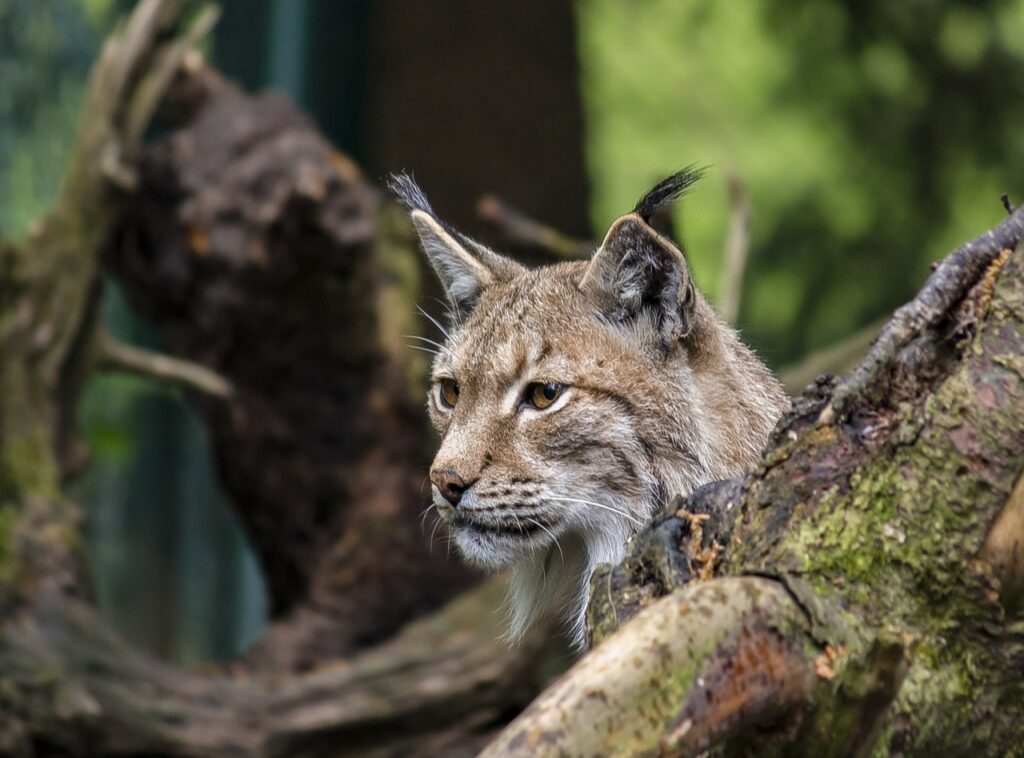
Scandinavia is a region that boasts rich and diverse wildlife that has existed since the ice age. During this time, the region was home to large mammals such as mammoths and giant deer. But the most dangerous animals in Scandinavia are not limited to extinct species. Scandinavia today is home to a wide range of animals, including bears, wolves, snakes, and many others. This vast array of wildlife is a testament to the region’s natural beauty and magnificence. The diversity of this wildlife is one of the reasons why Scandinavia is such a unique and magical place to visit. The most dangerous mammals in Scandinavia Wild boar Wild boars, also known as wild pigs, are a species of large and powerful mammals native to Scandinavia. They are 100-200 cm in length and can weigh up to 200 kg. Wild boars can be found today in Denmark, Sweden, and Norway. Wild boars have a muscular build, with thick, bristly fur that comes in shades of black, brown, and red. They have sharp tusks, for foraging and self-defense, and a keen sense of smell, which they use to locate food. Wild boars have an omnivorous diet, which includes a wide range of foods such as roots, berries, and small mammals. Their behavior is aggressive and territorial, especially during the breeding season and when defending their young. Despite their small size compared to other dangerous animals in Scandinavia, wild boars can be aggressive and pose a significant threat to humans who come too close. This is due to their sharp tusks, which are capable of inflicting serious injuries. Lynx The lynx is a medium-sized wild cat native to Scandinavia and other parts of Europe and Asia. These cats have distinctive tufted ears, ruffed fur around their neck, and paws to help them through the snow. Lynx are solitary animals that are nocturnal with stealthy and elusive behavior. They hunt small mammals, such as rabbits and rodents. If necessary, they also take down larger prey, such as deer and reindeer. You can see lynxes all across Sweden and Norway. Although it is not the most dangerous animal in the Scandinavian region, it is still strongly advised to avoid getting too close. Brown bear The brown bear, also known as the grizzly bear, is a massive and powerful carnivore that inhabits the Scandinavian wilderness. With its massive size, shaggy fur, and strong jaws, the brown bear is an imposing animal within Scandinavia. Despite its fearsome reputation, the brown bear is generally a shy and solitary creature that avoids human contact. Yet, when faced with a perceived threat, these animals can become aggressive and dangerous. Without a doubt, even a shy bear is one of the most dangerous animals in Scandinavia. Wolf The wolf is a fascinating and intelligent species that has lived in the wilds of Scandinavia for thousands of years. These majestic creatures are social animals, living in packs and relying on their close-knit group dynamic to hunt and survive. While they are wary of humans, it is important to exercise caution if you encounter a wolf in the wild. One of the key traits of the wolf is its pack mentality, where each individual plays a vital group role. This strong sense of community makes them intelligent animals capable of thriving in a variety of environments. Their keen senses, especially their sense of smell, make them skilled hunters that can bring down large prey with ease. Wolves are among the most dangerous animals you can come across in Scandinavia. Most packs of Scandinavian wolves live in central Sweden and southeastern Norway. Moose Moose, also known as elks, is the largest species of deer you can find throughout much of Scandinavia. They can reach a height of up to 2 meters at the shoulder and can weigh up to 600 kg. This makes them a formidable presence in the Scandinavian wild. Moose have a distinctive appearance, with long legs, a humped back, and a large, broadhead with massive antlers. Despite their peaceful and solitary nature, moose can pose a threat to humans. During the breeding season, males become territorial and aggressive. Moose are also unpredictable and can become dangerous if they feel cornered or threatened. Their powerful bodies and sharp antlers can cause serious injury or death if they decide to attack. The most dangerous reptiles in Scandinavia Adder (Viper) The adder is a species of venomous snake that is native to Europe, North Africa, and Asia. They are also the only venomous snakes in Denmark, Sweden, and Norway. That alone, makes adders the most dangerous animal you can find in Scandinavia. They are usually between 50-60 cm in length, although some specimens can grow up to 80 cm. Adders have a distinctive zigzag pattern, brown or grey, with a darker stripe running down the center of their back. They have triangular heads and slit-like pupils, typical adaptations of venomous snakes. In terms of diet, adders primarily feed on small mammals, birds, and lizards. They ambush their prey, striking with lightning speed and injecting them with a toxic venom that immobilizes their victim. Their venom is a powerful neurotoxin that can cause serious injury or death to humans if left untreated. Danish grass snake The Danish grass snake is a black or brown snake that is common in Denmark. However, you can encounter a grass snake in all Scandinavian countries. It is important to keep a distance if you see one in the wild. Although the Danish grass snake is non-venomous, it will easily bite you if it feels threatened or cornered! Fatalities from a grass snake bite in Scandinavia are extremely rare. But to keep yourself 100% safe, it is still important to avoid getting too close. The most dangerous birds in Scandinavia Gyrfalcon The gyrfalcon is a magnificent bird species found in the vast expanses of Scandinavia. It is widely regarded as one of the finest hunters in the avian kingdom. With a wingspan of over 4 feet, this bird commands

The Most Dangerous Animals in Scandinavia Read More »

A Complete Guide to Haga, Gothenburg

Guide to Haga

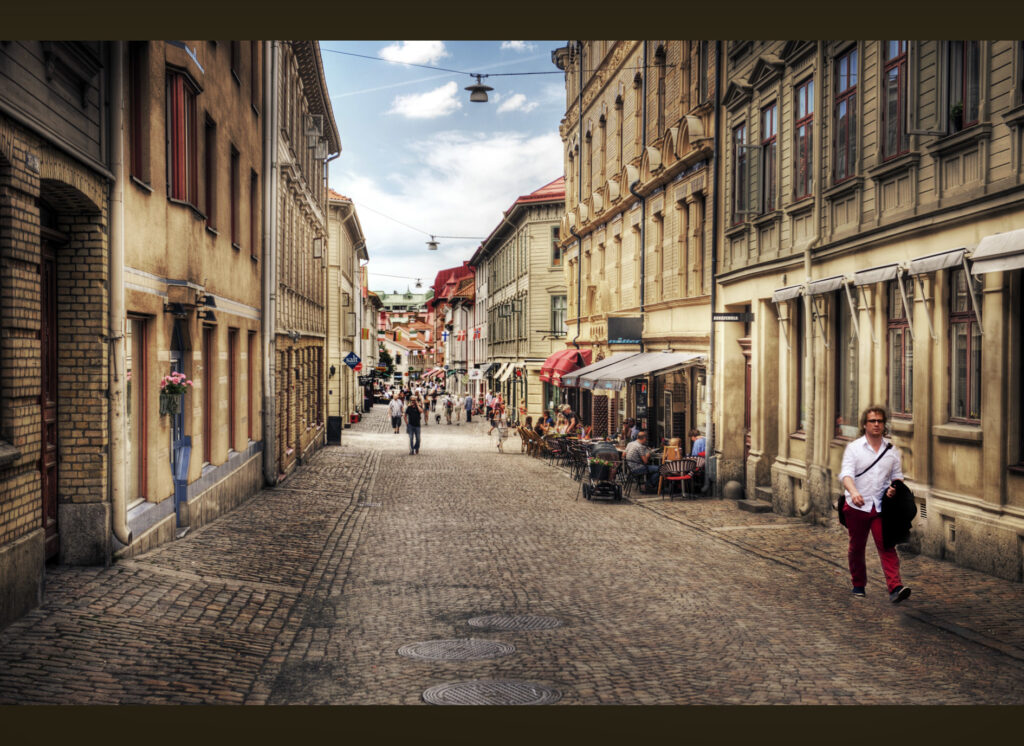
Gothenburg, also known as “Little London of Scandinavia,” is the second largest city in Sweden. This lovely low-key center of the west coast genuinely lives up to its title. Gothenburg is surrounded by great suburbs, among which the best is Haga, Gothenburg. If you want to make your trip to Gothenburg unforgettable, read this guide to Haga till the end! About Haga, Gothenburg Haga is the first suburb of Gothenburg. After Queen Kristina’s order, Haga became the city’s first suburb in the 17th century. This area is filled with history and culture. The wooden houses from the 1800s, car-free cobblestone streets, and old structures will lure you to this place. You will see locals and visitors scurrying the busy pedestrian route of Haga Nygata. Before the 1970s, Haga was considered a bumpy region. At that time, every structure in the neighborhood was either demolished or renovated, but after that, Haga saw an uptick. This neighborhood is home to several beautifully preserved wooden houses known as landshövdingehus. These residences are distinguished by two timber floors on top of a stone ground floor. Despite being a fairly popular tourist area nowadays, Haga lacks hotels. But that is not a big deal. If you choose to stay close by, there are a few options available in Haga or the nearby cities. How to Get to Haga? You can get to Haga easily since it lies within walking distance from the Gothenburg city center. Specifically, you can get to Haga via the Line 11 tram, Line 16 bus, or a local taxi. But make sure to get off at Hagakyrkan or Järntorget stops if you choose to travel by bus or tram. What to Do in Haga? There are a lot of remarkable places to explore in Haga. Skansen Kronan, a fortification built in the 17th century, watches over the neighborhood. Though you will need to hike it, the ascent is worth the effort. You will forget the agonizing trek once you reach your destination. You will love the breathtaking view of Haga, Gothenburg. Moreover, you can take a shady, winding trail or roughly 100 leg-murdering steps to reach the summit. In addition, you can spend some time in the beautiful Hagaparken Skansen Kronan to see two interesting sites. The first is a chapel called Hagakyrkan. The second is a statue dedicated to the Swedish politician Raoul Wallenberg, who is credited with saving many Jewish people during the Holocaust. The statue was built by the renowned Swedish artist Charlotte Gyllenhammar. Kofi Annan unveiled it to the public in 2007. The modern craft shop and art gallery Sintra, located on a quiet street a few blocks away, is another attraction for art lovers in the area. You can also visit the breathtakingly magnificent spa Hagabadet. This fitness center was first opened in 1876, and since then, it has been a must-do activity in the region. If you are a restless soul who loves to wonder, this is your ideal getaway. You can access the spa, gym, and various training programs such as hot yoga courses and the Boxfit class. And if you need some relaxation, you can get to one of their saunas. Finally, the heated pools can also be a nice option to reward yourself with a soothing massage or facial. Where to Eat in Haga? After exploring Haga, add these best eateries to your list if you want to dine in some of the best places. First, Lemon & Lime, Hagabadet’s restaurant, is a must-try. This restaurant is launched recently and offers Sweden’s traditional snacks and meals. You can also enjoy juices and lattes as well besides savory food. Matcha lattes, green smoothies, raw chocolate tart, and a delicious brunch buffet are must-tries. After trying some delicious food and drinks at Hagabadet, you can try other vegetarian restaurants. Solrosen and En Deli are excellent choices for you if you are health-conscious. Next, for seafood, you also have several choices. Sjöbaren is the best eatery, where you can try seafood delights from Sweden. You will find several seafood cuisines, from fish soup to herring and local fresh shrimp from the west coast. Finally, if you want to enjoy a dessert and amazing Swedish décor, head to In Brasseriet 8586. It is a fairly new establishment in Haga that is also an excellent people-watching spot. Where to try fika in Haga? When in Haga, you can certainly not forget to try Fika. For those who don’t know, “fika” is a Swedish tradition. As per this tradition, you can enjoy coffee, tea, or soda with something sweet, such as a cinnamon bun or chocolate cake. Although locals consider it a daily meal, you can take it as a snack. There are numerous cafes in Haga, such as coffee bar Nöller, Café Hebbe Lelle, and Jacob’s Café. But Café Husaren is a must-try to enjoy authentic Haga’s Fika. Be sure to get there on an empty stomach. Because Café Husaren is well-known for its enormous cinnamon bun, known as “The Haga Bun.” Moreover, there are other sweet options, such as pastries, cookies, cakes, and tarts. Another magical place, Le Petit Café, is well-known for its amazing selection of baked goods. You can have tempting brunches and baked goods in Le Petit Café. Finally, the lovely typical Swedish Café Kringlan is one of the region’s earliest cafés where you can always find something sweet. What are the shopping stops in Haga? Haga is filled with chic shops where you may buy unique vintage products in addition to all the great cafés. For example, Små Kära Ting, Fåfängan Antik, Bebop, and Antikvariatet Röde Orm. You may find vintage literature, musical instruments, antique pottery, and retro furniture in these shops. Moreover, if you are a true home design enthusiast, you won’t be let down by Haga. You can go to Rum för Inspiration, Haga Hem, or Market 29. Note that Market 29 is modeled after a well-furnished Nordic house. It offers a wide variety of items, including bed linen

A Complete Guide to Haga, Gothenburg Read More »

The Safest Cities in Scandinavia

safest cities in Scandinavia

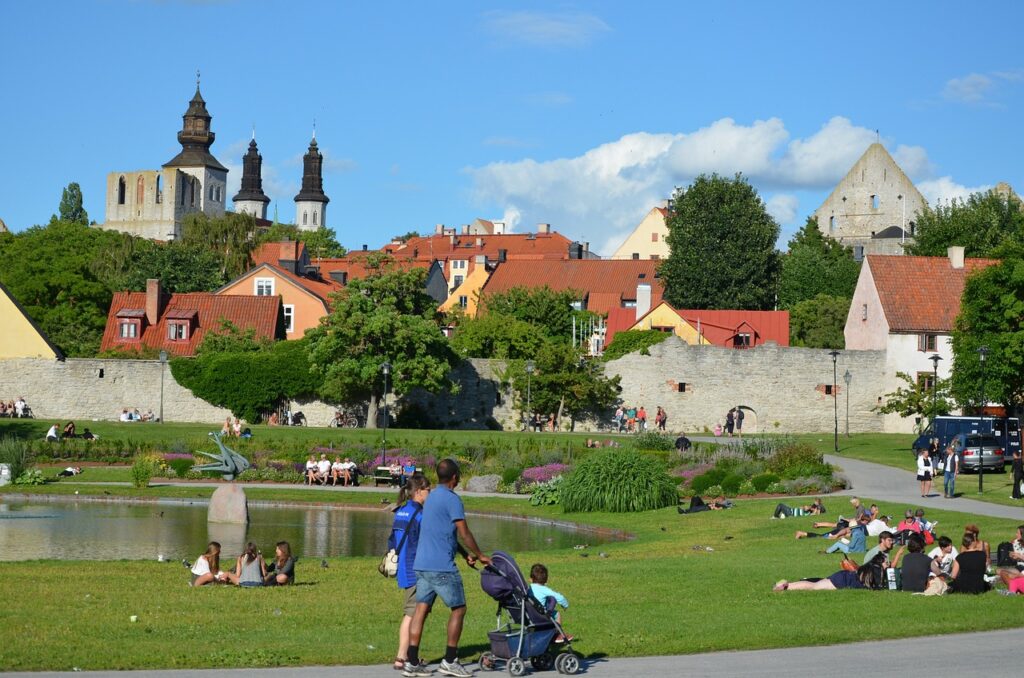
Scandinavia is a region brimming with excitement and adventure and is home to many big cities. The Scandinavian countries have so much to offer, from the icy Norwegian fjords to the ancient Viking history and the sloping Swedish woodlands. But which Scandinavian cities offer the most security? Most people’s first concern while traveling is, “is this destination safe?” So here we are with the list of safest cities in Scandinavia! The safest cities in Norway Tromsø, Norway The small town of Tromsø is one of the safest cities in Norway, with a population of about 77,000. It is one of the safest cities in Scandinavia and the most popular destination for travelers searching for the northern lights. The “city that doesn’t sleep” is a name given to this northern Norwegian city for a good reason. Since the Arctic Circle is above it, the sun never sets during summer. As a result, Tromsø, also known as the Arctic capital, becomes a playground every day of the week! Tromsø is one of the best spots in Scandinavia to see the magnificent Northern Lights in the winter when there is constant darkness. The midnight sun in the summer will astound you and give you an excellent reason to stay outside all night. Tromsø gives a distinctive experience whenever you travel there, regardless of the season. Some of this little fishing town’s top attractions include the Arctic-Alpine Botanical Garden, the Polaria aquarium, and Tromsø Ice Domes. Geiranger, Norway The tiny town of Geiranger is located at the mouth of the mysterious Geirangerfjord. Big cruise ships have docked in Geiranger since 1869 to let passengers enjoy an afternoon off the boat. Moreover, it is a UNESCO World Heritage Site making it a must-visit town. When you arrive at Geiranger, security will be your last concern. When in Geiranger, you can go shopping, rent a boat, or stroll along the Waterfall Walk. In addition, you will see 327 stairs leading from the town center to the Norwegian Fjord Center, which has picturesque views. It is an amazing experience to wander along Storfossen’s raging waters. The small, close-knit village of Geiranger, has about 200 residents. Even though you are protected from crime, the outdoors can be harsh. Exercise caution when out and about, especially when the sun sets. Kristiansand, Norway For several years, Kristiansand has earned a reputation as one of Norway’s safest major cities. The amount of crime was initially low, but in the last three years, it has increased to slightly over moderate. More specifically, police indicate that a rise in drunk driving is mostly to blame, even though this increase does alter the statistics. Moreover, there is much to do and see in Kristiansand, a reputable tourist destination. You can take a variety of cruises, have meals in nice restaurants, explore the shoreline, visit a modern art museum, and a lot more. Outdoor theaters with music and dancing, and souvenir shops are also available. The safest cities in Sweden Visby, Sweden One of the safest cities in Scandinavia is Visby which has incredibly low crime rates. Visby should be at the top of your list if you love exploring history and culture. It is positioned on the western coast of Gotland and has a long history. Specifically, Visby belonged to the Hanseatic League, a medieval trading association in northern Europe. Tourists can still admire medieval artifacts all across the city. Visby received the prestigious recognition as a UNESCO World Heritage Site because of these conserved artifacts. And this area offers more than just its heritage. It is renowned for housing some of the top farm-to-table restaurants in the country. A lot of tourists visit the city during summer to participate in the vibrant nightlife and art culture. Uppsala, Sweden With 150,000 residents, Uppsala is the fourth-largest city in Sweden. Since 1164, Sweden has had this location as its religious hub. The greatest Scandinavian cathedral is located there, and up to the 1800s, Swedish emperors were crowned there. Uppsala is a relatively safe city to live in. However, muggers are rife during the season with tourists, as they are everywhere else in the world. Compared to other cities of its size, Uppsala is indeed safer. Uppsala University, where students have studied since the Middle Ages, is also located there. The city is renowned for its extensive outdoor open spaces and is situated along the Fyris river in an ideal location. Uppsala is a city where many different cultures coexist, which has contributed to the city’s lively yet laid-back feel. Tourists are invited to participate in the town’s lively nightlife and explore all this secure Scandinavian city has to offer. The safest cities in Denmark Copenhagen, Denmark The capital of Denmark is one of the safest cities in Scandinavia for tourists. Denmark’s eccentric, design-focused capital is well known for its insanely high prices. However, traveling to one of the safest cities in the world comes with a cost. Copenhagen is probably the safest city in Scandinavia, and few people ever have to deal with crime there. The crime rates are incredibly low everywhere around the city. Concerning practically everything, including car theft, bribery, and police misconduct, Copenhagen is a low-risk tourism destination! Besides being the safest city, Copenhagen is also a stunning tourist destination. The Indre By’s massive medieval towers in the city’s old center are accessible to visitors during the day. By night, they enjoy the timeless jazz in Nyhavn’s laid-back outdoor bars. Copenhagen’s urban beaches are just as appealing as the city’s UNESCO sites and diverse neighborhoods, filled with savory falafel shops and coffee shops. Aarhus, Denmark Very close to Copenhagen, Aarhus, is the second-largest city in Denmark. Additionally, it is one of the safest cities in Scandinavia due to the extremely low crime rate. Most crimes you’ll probably run into involve either drug dealing or vandalism. You can go outside at any time of day or night to experience the city’s attractions, which include outdoor museums, gardens, and more. The city was

The Safest Cities in Scandinavia Read More »

The Best Towns to Visit in Swedish Lapland

best towns in Swedish Lapland

When it comes to Swedish Lapland, what is the first thing that instantly comes to mind? You must think of numerous images, from dazzling northern lights to the unique midnight sun and the view of untamed wilderness and unspoiled beauty. Sweden’s northern region is growing in popularity among tourists, and for a good reason. If you are searching for a unique experience considering a variety of activities, plan a visit to Swedish Lapland. The 7 best towns in Swedish Lapland Swedish Lapland offers a vacation from exploring the historic Sami culture to taking on challenging climbs. If you are interested in discovering the best towns to visit in Swedish Lapland, read this guide until the end! Kiruna  Kiruna is one of the most northern towns in Sweden. Although it is most famous for its mining, that’s not the only reason to visit it. Kiruna is the gateway to Swedish Lapland since it is more than 200 kilometers north of the Arctic Circle. Moreover, the town is changing as it is shifting, block by block, to make room for the mine’s enlargement.Since the relocation might persist until 2035, it might impair the lodging supply. Still, if you want to visit a town for a brief stay in Swedish Lapland and don’t have time to travel further afield, Kiruna is the best place. You will find many companies in Kiruna that offer amazing trips and excursions in this area. You will not have to miss out on any fun. Finally, money won’t be an issue because there are plenty of affordable hotels in the area. Abisko The village of Abisko, which is close to Torneträsk Lake, has a wide range of places to go. You will have plenty of things to do such as seeing the Northern Lights, witnessing the beautiful fjords and much more. In addition, you can visit the nearby Abisko National Park and get a chance to try some ice fishing. And if you want to get the best out of your Abisko tour, go for a day trip to Norway fjords and the town of Narvik. All in all, Abisko is a good choice for a family-friendly excursion, thanks to the diversity of activities. Lastly, there are several places to stay. From guest houses, hostels, and mountain lodges, to the renowned IceHotel in Jukkasjärvi, you can choose any lodging place. Luleå In northern Sweden, at the northern tip of the Gulf of Bothnia, a bit further south is the city of Luleå. Luleå is another must-visit town in Swedish Lapland. With rich theater, music, arts, and culture, this town has a lot to offer to art-hungry tourists. Moreover, Gammelstad, a UNESCO World Heritage Site, is one of the most well-known attractions in this area. Next, a stone church from the fifteenth century stands in the center of this church town and is also a must-see. Note that Luleå is the largest city in Swedish Lapland, with a population of close to 100,000. So if you want to see the natural marvels of Sweden in a mid-sized city where culture and food go hand in hand, then visit Luleå. Piteå Piteå, a small town in Swedish Lapland, is located not far south of Luleå. This city has much to offer to everyone and is incredibly popular with tourists. Particularly during the summer, you will see a lot of tourists heading to a peculiar location amid the Piteå Archipelago. Although this city is primarily known for its beaches, forests, and lakes, it also has a few intriguing museums. The primary beach resort, Pite Havsbad, is where most residents and visitors go in the summer, earning Piteå the title “Riviera of Sweden.” However, the seas in Piteå are not Sweden’s warmest, so you cannot sunbathe so close to the Arctic Circle. Kebnekaise Sweden’s highest peak, Kebnekaise, is more than 2,100 meters above sea level. One of the country’s most incredible adventures is getting to its peak. However, be ready to encounter breathtaking views and psychological struggles as you climb the summit. While there are various ways to Kebnekaise, it is better to explore them during the peak summer season. Why? Because chilly winds and gusty snow showers are frequent in summer as well. So don’t forget to prepare your cleats and a warm jacket. And don’t worry, you don’t need to be a skilled climber to reach the top. But if you plan to climb it, you should be physically active and mentally prepared to reach the highest peak of Swedish Lapland safely. Jokkmokk The small village of Jokkmokk is arguably the most attractive of all large towns and cities in Swedish Lapland. With vintage wooden buildings and neon signs lining the wide streets, you will feel the cultural vibes of this town. With a rich cultural past and a calm atmosphere, it’s a town with enough to keep you busy for a few days or longer. One of the best venues to discover Sami history is at this Sami cultural center in Sweden. A fantastic museum here highlights the challenges of surviving in one of the most hostile environments on earth. And last but not least, a half-dozen stores are selling authentic Sami handicrafts. Gällivare The town of Gällivare is delightfully devoid of the noise of long-distance tourist buses. Why? Because it lacks the same attraction as other northern cities of Swedish Lapland. Gällivare is a quiet location with kind locals who will undoubtedly think you’re insane to visit this frigid part of the world. But if you like your vacation places real, uncrowded, and a little raw around the corners, then Gällivare is worth a trip. You can do numerous things, such as dog sledding, visiting a sizable local mine, or snowshoeing through the woods. And yes, don’t forget to see the northern lights. An excellent site to explore the slopes is the Dundret Ski Resort. Conclusion Regardless of the season, there are many activities in northern Sweden. You can take advantage of the peculiar Midnight Sun in

The Best Towns to Visit in Swedish Lapland Read More »

The Most Dangerous Cities in Sweden

police in Sweden

When it comes to Sweden, expect three things. A warm welcome from the friendliest people of this gorgeous country, splendid natural scenery, and incredible cities brimming with culture and heritage. But apart from this, you might want to be safe during traveling to dangerous cities in Sweden. Indeed, Sweden is a fantastic vacation spot all year round, with lots of awesome things to see and do. It is regarded as the jewel in the crown of the Nordic nations by many tourists. But what are the most dangerous cities in Sweden? Every travel destination has specific security issues, and Sweden is no exception. We’ll talk about some most dangerous cities in this stunning nation. We’ll also advise you on how to minimize the hazards associated with traveling to Sweden. You’ll be able to confidently and worry-free go on your Swedish trip! Stockholm Stockholm seems to be a relatively safe, peaceful city with a meager number of crimes. It still carries risks, though, just like any other major. Stockholm offers a variety of attractions, including museums, palaces, churches, and parks. This makes it a fantastic destination for a vacation. But as said earlier, Stockholm is not free from crimes and is considered one of the most dangerous cities in Sweden. The most frequent crime in the city is pickpocketing and theft, which is prevalent around significant attractions and public transportation hubs. Besides, you will encounter many scammers in Stockholm, so ensure you know who you’re talking to before providing any money or information. But one good news is that there are only approximately 50 homicides reported per year. In addition, one thing to be aware of in Stockholm is public transportation. Thefts on buses and trams are frequent. So to avoid any problems with your belongings, it is wise to use cabs instead of public transportation. According to the violent crime rate per capita, it is one of the riskier cities in Sweden. Nevertheless, given its sparse population, visitors shouldn’t worry too much about this while there either! Safety advice Street fights are the most common type of violence in Rinkeby, a neighborhood in Stockholm. Therefore, it is advised to stay away from these locations after midnight. Travelers to Stockholm should generally exercise the same caution they would in any other city. It would be best to be alert to your surroundings and never leave personal belongings unattended. You will have a safe and pleasurable trip in Stockholm if you follow these recommendations. Gothenburg Gothenburg is yet another beautiful city in Sweden, brimming with culture and heritage. Moreover, being the second-largest city in Sweden and a tourist attraction, it is also one of the most dangerous cities in Sweden. Note that the municipality has about 500,000 people. In Gothenburg, burglaries and property theft are the most frequent criminal acts, preceded by crimes that disturb the peace, like trespassing and vandalism. So it is best to take precautions against the higher-than-average crime rate of Gothenburg. Traveling to Gothenburg with some precautions, such as not leaving valuables in your hotel room unattended or in plain view, will be wise. Because that will encourage potential thieves to help themselves! It is easy to overlook that Gothenburg is not particularly unsafe, despite being one of Scandinavia’s riskier cities. It is reasonably safe compared to other European cities. Safety Advice Gothenburg is reasonably safe, yet there are a lot of instances of tourist robberies. You must keep a close eye on your pockets and refrain from carrying valuables. Women who travel alone at dark should exercise extra caution, as should everyone taking a break in a pub. Malmo Malmö is the third-largest city in Sweden and the heart of the Scania province at the southernmost point of Sweden. Moreover, Malmo is a major port on the Øresund strait, and the Øresund bridge connects it to Copenhagen. Now speaking of the safety of this city, it has long been the epicenter of gang violence in Sweden’s south. Malmo serves as the hub of the Swedish drug industry. The Original Gangsters (OG) and Loyal to Familia were two criminal organizations that you can blame for most of these crimes in recent years. Police claim that LTF and OG have been at war with one another since 2010. Consequently, this has led to a high violent crime rate in Malmo and southern Sweden. Apart from gang wars, pickpockets and purse-snatchers frequently work in tourist locations and on public transportation. So, whenever you travel to Malmo, it is essential to exercise caution when using public transit. Never carry jewelry, large amounts of cash, or original documents in your pockets. Safety Advice Malmo is safer than similar-sized cities in other parts of Europe, although it is not crime-free. Avoid regions far from the city center, and never go for a nighttime stroll around the streets. You won’t get into problems if you stay sensible. Is Sweden Safe to Travel? Despite the fact that crime rates have been continuously rising in Sweden since the 1980s, it is typically relatively safe to travel. However, it would be best if you exercise caution when traversing the roads of Sweden, particularly at night and on the weekends. There are also places to stay away from, like Rinkeby in Stockholm, where thefts and violent attacks are becoming more and more regular. Remember that most of Sweden are not very well policed, with the closest patrol car sometimes 100 kilometers distant in rural areas. So it is best to stay away if you encounter a street fight. In addition, never argue with bouncers or security guards. They have the legal right to use force if necessary, and they will use that power against you. Avoid gazing them straight in the eyes because it could frighten them if a dangerous or uncomfortable situation arises. In general, Swedes are known to avoid eye contact, especially in some instances. Pickpockets definitely exist, although they aren’t a significant problem in Scandinavia. They typically operate in congested, tourist-friendly locations like airports,

The Most Dangerous Cities in Sweden Read More »